Enterprise automation has become a core part of modern business operations.
Organisations rely on workflow platforms, Business Process Automation (BPA), automation scripts, AI services, ERP platforms, CRM systems, and other enterprise applications to automate individual business activities.
Each technology performs its own function effectively.
The greater challenge is how these technologies work together.
Business processes rarely exist inside a single application. They move across departments, systems, approvals, and multiple automation technologies. When these systems fail to coordinate effectively, workflows slow down, manual intervention increases, and operational complexity grows.
Many organisations respond by introducing additional automation tools.
The issue, however, is rarely a shortage of automation.
The missing capability is orchestration.
This is where Business Orchestration and Automation Technologies (BOAT) are reshaping enterprise automation.
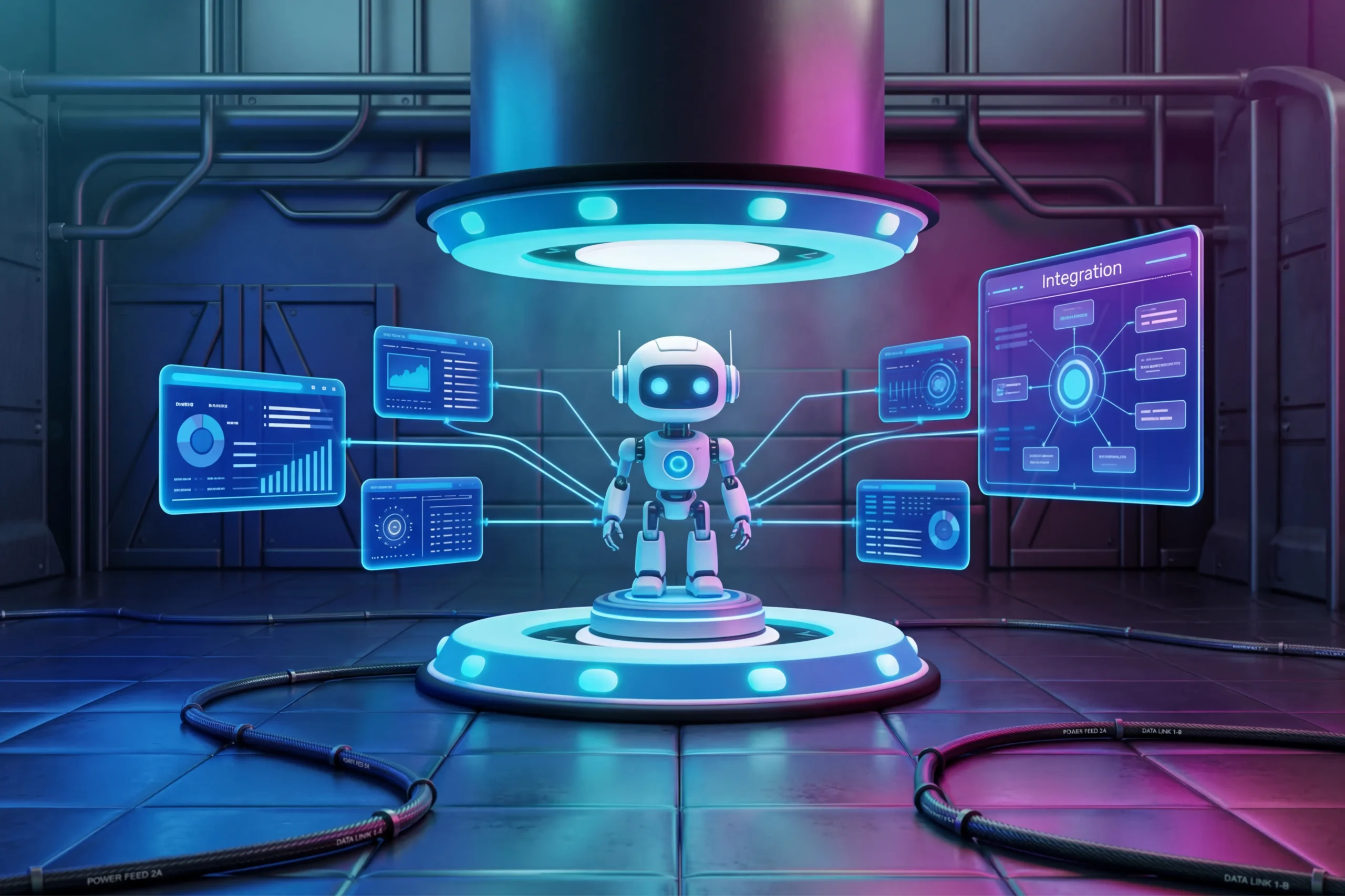
Rather than replacing existing technologies, BOAT platforms coordinate how systems, workflows, automation, and business decisions operate together as one connected process.
What Is a BOAT Platform?
A Business Orchestration and Automation Technologies (BOAT) platform coordinates business processes by connecting workflows, enterprise applications, automation technologies, AI services, and business decisions into a single operational flow.
Rather than replacing existing investments, BOAT platforms integrate them.
Individual automation technologies continue performing specialised tasks, while the BOAT platform manages how those tasks work together across the enterprise.
Understanding Business Orchestration and Automation Technologies
The BOAT approach combines four essential capabilities.
Business
Focuses on complete business processes rather than isolated tasks, coordinating work across departments, approvals, teams, and operational outcomes.
Orchestration
Coordinates workflows, enterprise systems, business rules, approvals, and automation technologies to ensure work progresses consistently from one stage to the next.
Automation
Executes repetitive operational activities using workflows, scripts, bots, and intelligent automation technologies.
Technologies
Brings together ERP platforms, CRM applications, AI services, workflow engines, document processing, and enterprise software into one coordinated operating environment.
Together, these capabilities allow organisations to manage complete business processes instead of disconnected automation activities.
Why Enterprise Automation Often Feels Fragmented
Most organisations already operate multiple automation technologies.
- Workflow platforms coordinate approvals.
- Robotic Process Automation (RPA) executes repetitive digital tasks.
- AI services support business decisions.
- ERP and CRM systems manage operational data.
Each platform performs well independently.
Business processes, however, extend across all of them.
As workflows move between systems, organisations often depend on manual coordination to monitor progress, trigger subsequent activities, manage approvals, and resolve operational gaps.
Even highly automated environments therefore continue relying on manual effort between systems.
This is where enterprise processes lose efficiency.
How BOAT Platforms Improve Enterprise Operations
A BOAT platform introduces an orchestration layer that coordinates how work progresses across enterprise systems.
Workflow Orchestration
Business processes move automatically from one system to another according to defined business logic and operational rules.
Automation Coordination
Workflow engines, automation scripts, RPA bots, and AI capabilities operate together as part of one continuous business process.
Business Decision Alignment
Rules, approvals, and AI-driven decisions are applied at the correct stage of every workflow while maintaining complete business context.
System Synchronisation
Enterprise data flows consistently between ERP systems, CRM platforms, document repositories, finance applications, and operational systems without unnecessary manual intervention.
Governance and Control
Approvals, compliance requirements, audit trails, and operational visibility remain integrated throughout the workflow.
Instead of managing individual applications separately, organisations manage complete business processes.
Business Benefits of BOAT Platforms
When orchestration becomes part of enterprise automation, organisations typically experience:
- Business workflows progressing automatically without constant manual follow-up.
- Enterprise systems responding intelligently to one another.
- Reduced operational coordination across teams.
- Improved visibility into end-to-end business processes.
- More predictable, scalable enterprise operations.
Why BOAT Matters for Modern Enterprises
Enterprise technology environments continue becoming more complex.
Organisations deploy additional applications, expand automation programmes, adopt AI capabilities, and connect increasing numbers of operational workflows.
Without orchestration, every new technology increases operational complexity.
Business Orchestration and Automation Technologies provide the structure that connects these technologies into one coordinated operational ecosystem.
How Aptimeta Supports Business Orchestration
Aptimeta is built around this orchestration-first approach.
The platform connects enterprise workflows across existing applications without requiring organisations to replace the systems they already use.
By combining Business Process Automation, Robotic Process Automation, Intelligent Document Processing, Agentic AI, and enterprise workflow orchestration, Aptimeta enables organisations to coordinate complete business processes through a single connected platform.
Using Aptimeta, organisations can:
- Connect business processes across enterprise applications.
- Align automation with end-to-end business workflows.
- Maintain complete operational visibility across systems.
- Reduce manual coordination between departments and technologies.
This enables organisations to move beyond fragmented automation toward coordinated, enterprise-wide process execution.
Conclusion
Modern enterprises depend on increasingly complex technology ecosystems.
Competitive advantage no longer comes from simply deploying more automation tools.
It comes from ensuring those technologies work together as one connected business process.
Business Orchestration and Automation Technologies provide the coordination layer that modern enterprises require.
Discover how Aptimeta helps organisations connect workflows, enterprise systems, automation technologies, and AI into a unified orchestration platform that delivers intelligent, end-to-end business operations.